
Friends of IPM Awards
The mission of the Southern IPM Center is to champion the development and adoption of integrated pest management (IPM), the science of managing pests while protecting people, the environment and economy. Each Regional Center engages broadly with stakeholders to identify and address regional pest priorities in agriculture, communities and natural areas.
Since 2003, the Southern IPM Center (SIPMC) has worked with USDA, Land Grant universities, Extension, and many other partners in promoting and facilitating the development and implementation of IPM in many settings across the region.
Many of these partners have contributed to the region’s well-being for years or even decades.
Bright Idea Award
The Bright Idea award recognizes an invention, innovation, or ‘start-up’ that significantly improves or has the potential to improve IPM research, education, communication, or implementation in the field.
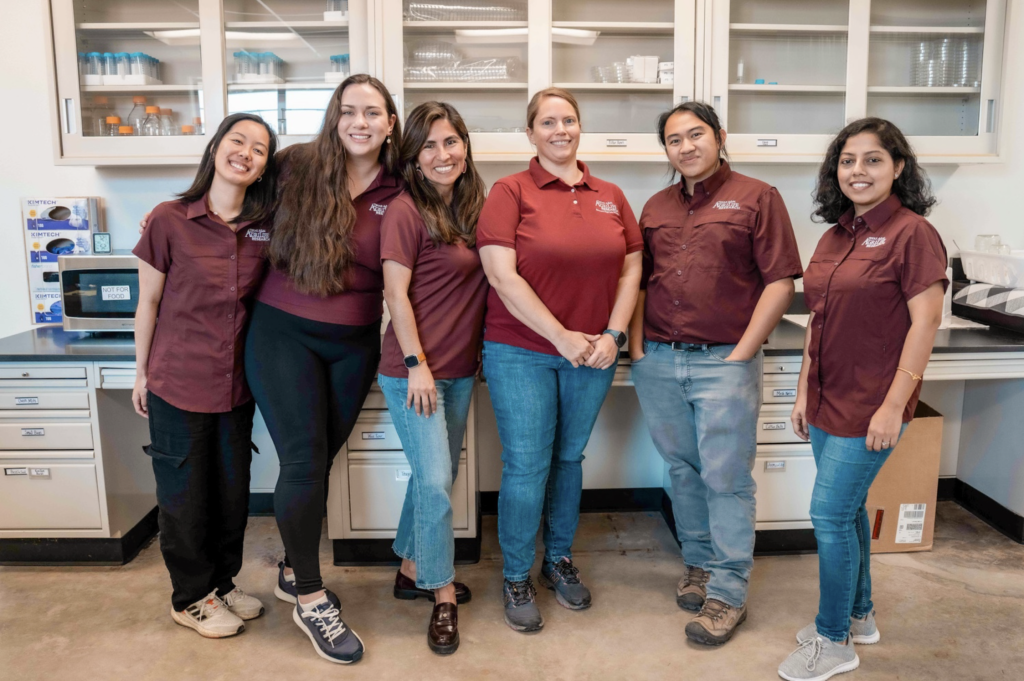
Recipients: Dr. Nupur Sarkar, Dr. Lina Bernaola, and the Bernaola Lab, Texas A&M University
About the Project
The 2025 Bright Idea award recognizes Dr. Nupur Sarkar and Dr. Lina Bernaola for their work on implementing an IPM tactic to manage the invasive rice delphacid in Texas.
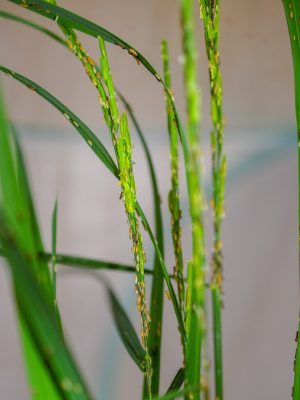
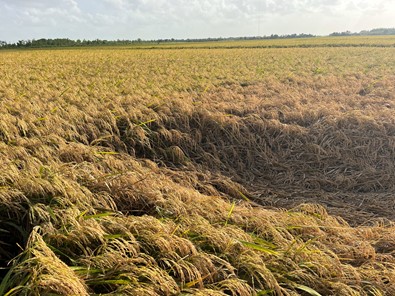
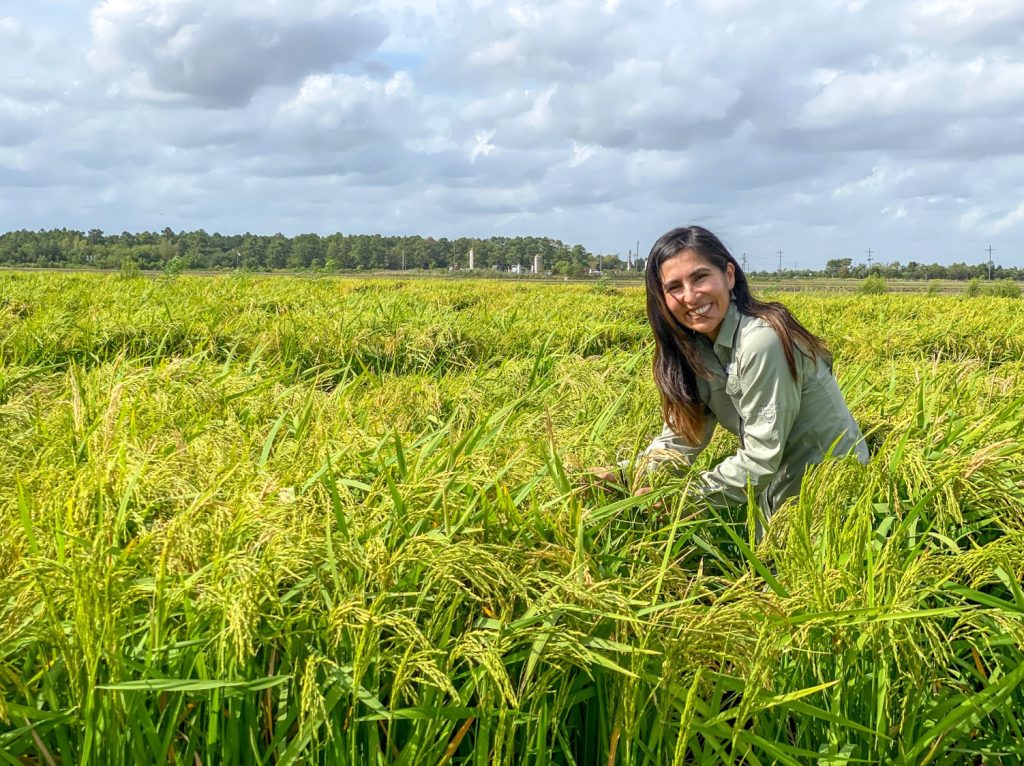
The project, “Implementing Plant Varietal Resistance for Management of the Invasive Rice Delphacid,” is a multifaceted approach to combat rice delphacid, one of the most destructive pests threatening Texas rice production. To effectively manage a pest, it is crucial to understand its phenology and implement ongoing monitoring. Thus, in the 2024 rice season, Nupur and her team in the Bernaola Lab meticulously mapped the timing and distribution of rice delphacid infestations. They also identified rice varieties most susceptible to disease and rice delphacid feeding.
Since insecticide applications disrupt natural enemy populations, this project explored alternative management techniques, such as host plant resistance, to control rice delphacid. Nupur, Lina, and their team are conducted variety selection assays with new and commercial rice lines to determine rice species resistant to rice delphacid. In addition, they explored the underlying mechanisms of host plant resistance through chemical ecology, focusing on plant semiochemicals.
These research findings are expected to shape the development of an innovative integrated pest management program for rice delphacid in Texas. By leveraging resistant rice varieties, conducting statewide rice delphacid surveys, and developing a robust extension education program, this project took steps to protect rice crops from rice delphacid. This “Bright Idea” reduces reliance on pesticides and provides growers with practical, data-driven solutions to minimize rice delphacid damage.
Dr. Nupur Sakar, Texas A&M University
Dr. Nupur Sarkar currently works at the University of Wyoming. Previously, she was a Postdoctoral Research Associate at Texas A&M AgriLife Research Center, where her research focused on sustainable pest management in rice. She received her M.S. and Ph.D. in Zoology with a specialization in Entomology from the University of Burdwan in West Bengal, India.
Nupur’s work at Texas A&M AgriLife emphasized utilizing a variety of IPM techniques to manage insect pests in rice, such as the invasive rice delphacid, Tagosodes orizicolus. Tagosodes orizicolus vectors Rice Hoja Blanca, a devastating disease of rice crops. She integrated cultural and chemical control practices to develop efficient and environmentally responsible rice delphacid management strategies.
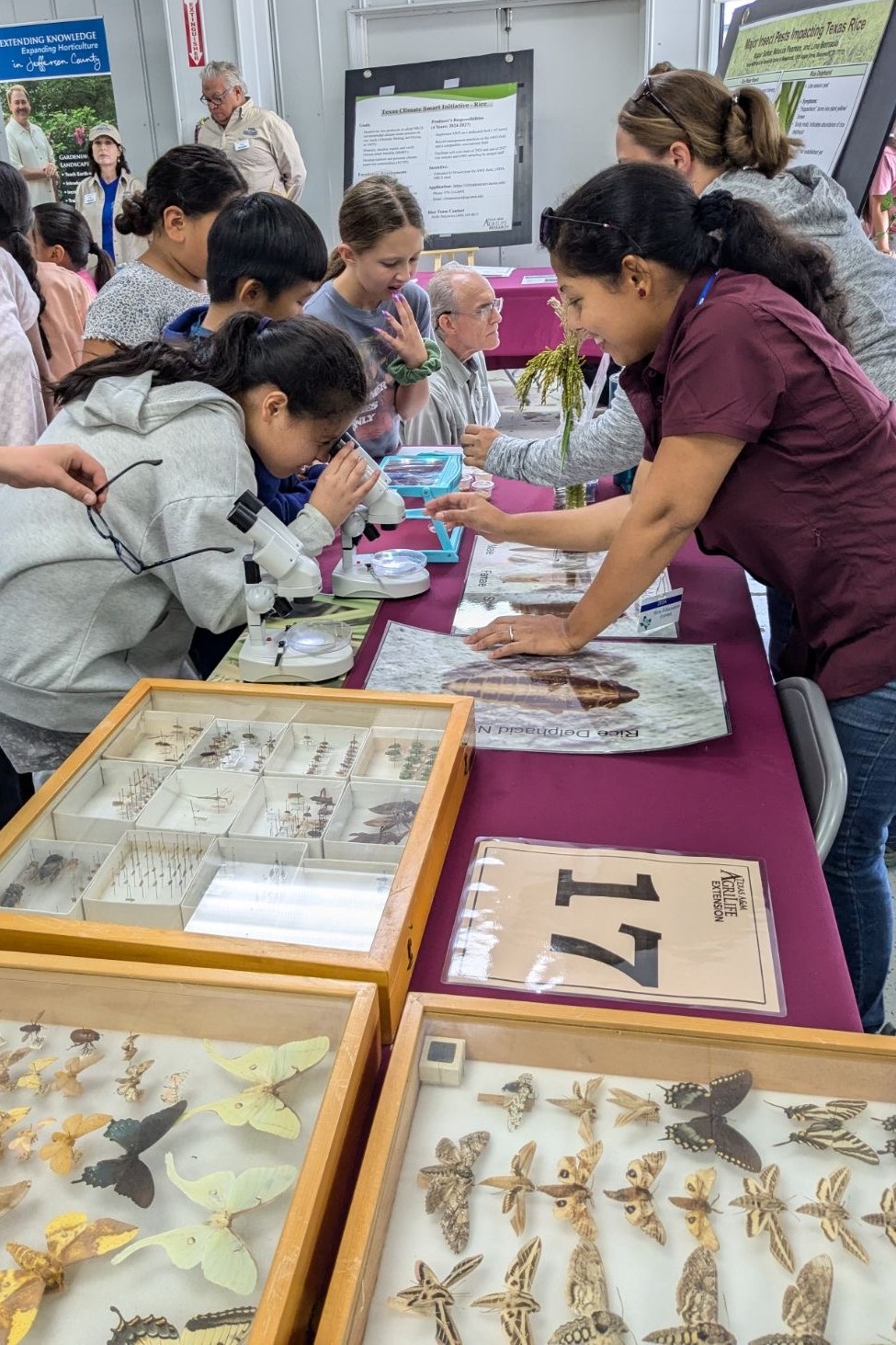
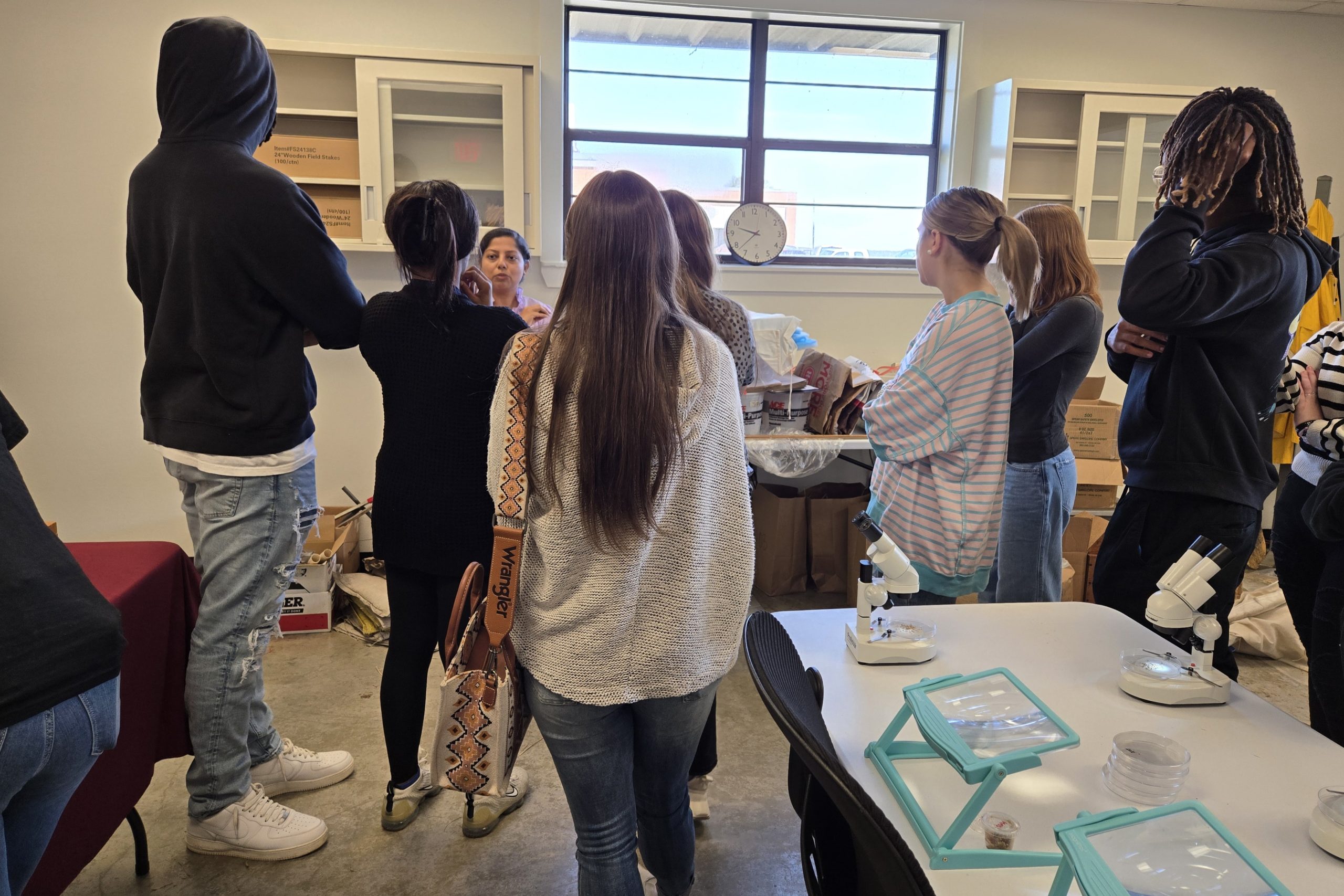
Nupur was actively involved in outreach and education, sharing her passion for science and sustainable pest management with the agricultural community and the public. She created factsheets, newsletters, brochures, webinars, and educational videos to inform stakeholders and the public about her and Lina’s beneficial research. Nupur engaged with growers, crop consultants, and extension agents across Texas to disseminate best pest management practices.
Nupur is grateful for the dedicated Entomology team at Texas A&M AgriLife Research Center, including staff, graduate students, and undergraduate student workers. She would like to acknowledge the Extension agents, crop consultants, growers, and other collaborators who contributed their time and expertise, thereby amplifying the impact of her research. Nupur would also like to thank her supervisor, Dr. Lina Bernaola, for her endless support throughout the research process.
Dr. Lina Bernaola, Texas A&M University
Dr. Lina Bernaola is an Assistant Professor in the Department of Entomology at Texas A&M. She received her bachelor’s degree in biology from the Universidad Nacional Major de San Marcos in Lima, Peru, and her master’s in Agronomy and Ph.D. in Entomology from Louisiana State University.
At Texas A&M, Lina’s research focuses on both applied and fundamental aspects of insect-plant interactions. Specifically, she examines the interactions between rice and its major pests, including the invasive rice delphacid. Lina and her students utilize multidisciplinary tools to identify and develop sustainable, cost-effective pest management programs. Her goal is to support more sustainable and profitable rice production systems.
Lina’s laboratory investigates the complex interactions between soil microbes, rice physiology, and insect pests. Through research that prioritizes pests such as the rice water weevil, rice stem borers, and the emerging rice delphacid, Lina examines how microbial associations affect plant defense mechanisms and herbivore performance, particularly in rice and soybean systems. In collaboration with local and multi-state partners, Lina and her students are assessing insecticidal treatments to improve rice stink bug and rice water weevil management and develop regionally adapted guidelines for pest management. Lina’s research efforts continually improve IPM implementation in the state of Texas.
Beyond her research program, Lina values service, teaching, and outreach at Texas A&M. In particular, she enjoys educating rice stakeholders and the community about rice pest management and insects in general.
Lina would like to thank her collaborators, both inside and outside of Texas A&M, particularly Nupur, who was an invaluable part of the project. Lina is also thankful for the graduate students, undergraduate students, and Beaumont Center staff whose diligent efforts helped make her research a reality.
2025 Friends of IPM Awardees
- Bright Idea Award: Dr. Nupur Sarkar, Dr. Lina Bernaola, and the Bernaola Lab, Texas A&M University
- Pulling Together Award: MyIPM for Vegetables team, led by Drs. Rebecca A. Melanson, Tom Kuhar, Tom Bilbo, and Inga Meadows
- IPM Educator Award: Dr. Sonja Swiger, Texas A&M University
- Future Leader Award: Dr. Scott Graham, Auburn University
- IPM Hall of Fame Award: Eddie McGriff, Alabama Cooperative Extension System
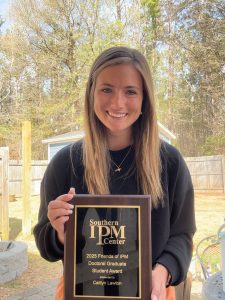
- Doctoral Student Award (2 winners):
- Rogan Tokach, Auburn University
- Caitlyn Lawton, Auburn University
Other 2025 Recipient Stories
MyIPM For Vegetables Team
MyIPM for Vegetables supplies producers with IPM information for disease...
Read MoreDr. Nupur Sarkar, Dr. Lina Bernaola, and the Bernaola Lab
Implementing Plant Varietal Resistance for Management of the Invasive Rice...
Read MoreSonja Swiger

Sonja has provided valuable training courses on vector identification, disease...
Read More