
Project Report
Western flower thrips are a major pest of fruiting vegetables, such as tomato and pepper, and cause substantial crop losses and billions of dollars of economic damage in the southern United States.
Since Western flower thrips have developed resistance to spinetoram (Radiant®) and spinosad (Entrust®), growers have increased use of older, broad-spectrum insecticides with higher mammalian toxicity.
One biological control agent, an inactivated bacterial strain of Burkholderia rinojensis (Bountify), demonstrated efficacy against Western flower thrips in laboratory and field trials.
Management of Insecticide-Resistant Western Flower Thrips in Fruiting Vegetables
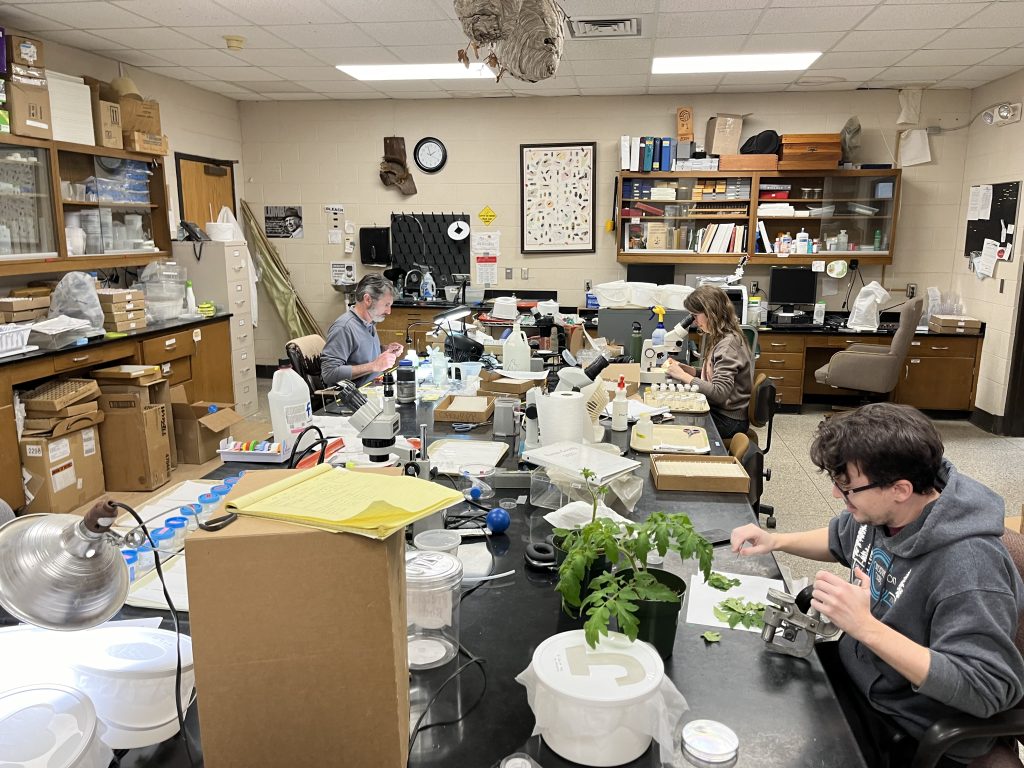
Insecticide resistance is a growing challenge for farmers, as adaptable pests like the Western flower thrips cause widespread losses in vegetable crops. Resistance can drive the increased use of broad-spectrum insecticides, including Dimethoate and Lannate, that pose risks to environmental health. As a result, Dr. Jim Walgenbach and his team from North Carolina State University sought to develop more sustainable approaches to managing Western flower thrips.
Dr. Walgenbach and his team monitored spinetoram resistance in Western flower thrips populations from different vegetable production systems across three distinct ecoregions in North Carolina. They found that Western flower thrips resistance to spinetoram varies across farms and regions. However, resistance can decline when insecticide pressure is reduced, underscoring the value of crop rotation and integrated pest management.
The team also evaluated reflective mulches and biorational pesticides as alternatives to conventional insecticides for managing Western flower thrips on tomatoes. Results showed that the inactivated bacterial strain of Burkholderia rinojensis (Bountify) caused 98% larval mortality in the laboratory and suppressed thrips by 55% in the field. Dr. Walgenbach and his team also determined that the reflective mulch, which reduced Western flower thrips populations by 80%, was more effective than the white plastic mulch, the industry standard.
The team showcased their findings on integrated management strategies for Western flower thrips control at three stakeholder meetings: the Mountain Horticultural Crops Research and Extension Center Field Day (2023), the Southeastern Vegetable Expo (2023), and the NC Tomato Growers Association Winter Vegetable Conference (2024).
By investigating sustainable approaches to Western flower thrips management, Dr. Walgenbach and his team aim to reduce environmental risks and support the production of fruiting vegetable crops.
Project Leaders
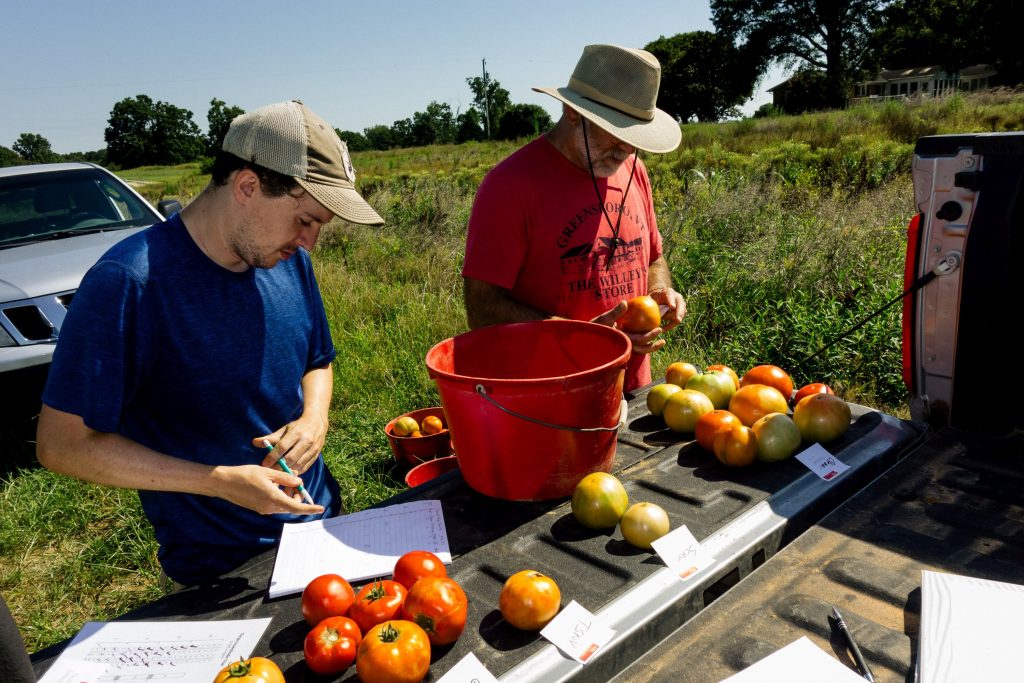
- Dr. Jim Walgenbach, North Carolina State University