
Project Report
The pecan industry is a vital part of the U.S. rural community and agricultural economy, especially in the southeastern states. In 2020, the U.S. produced 302 million pounds of pecans, valued at $399 million.
Pecan leaf dieback causes the leaves at the ends of pecan tree branches to turn brown and black, eventually leading to premature defoliation. This defoliation reduces the tree’s ability to photosynthesize and store energy, which can result in lower nut production in subsequent growing seasons.
Since its observation in Georgia in 2011, pecan leaf dieback has since spread to Alabama, Louisiana, and Texas.
Pecan Leaf Dieback Working Group

Often, one of the biggest challenges is knowledge gaps or lack of awareness of a specific disease or pest. In this instance, a working group assembled around pecan leaf dieback sought to actively close those gaps and to make significant positive impacts to the pecan industry.
One of the ways that they were able to do this is by organizing annual meetings with their working group members to coordinate their roles and responsibilities, including how they would participate and disseminate their knowledge outside of the group itself. As a result, members were able join the Georgia Pecan Growers Association’s fall field day event (2023), the Southern Division APS meeting (2024), and the APS annual meeting (2024). Through these collaborative efforts, the working group increased producers’ awareness of the disease and disseminated knowledge on identifying and managing pecan leaf dieback.
The team was also able to give presentations about the proper diagnosis and management practices for pecan leaf dieback that were held at various producers’ conferences, including the Texas Pecan Growers Conference and the Southeastern Pecan Growers Association conference.
In addition, the working group was able to produce seven conference papers and two journal articles.
By lessening these knowledge gaps, the team aims to reduce environmental risks, improve access to nutritional food, ensure the health and productivity of pecan orchards, support the livelihoods of pecan production, and contribute to the overall well-being of the communities in pecan-growing regions.
Working Group Members

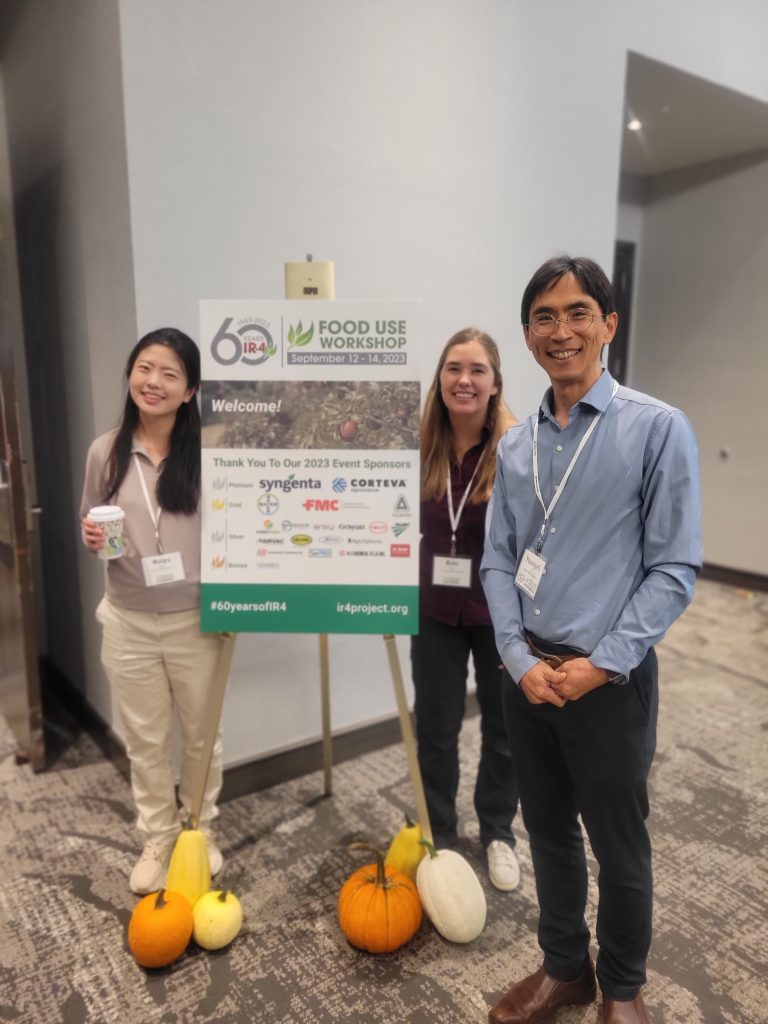
The Texas Team
- Dr. Young-Ki Jo, Texas A&M AgriLife Extension and Research
- Tom Chappell, at Texas A&M AgriLife Extension and Research
- Monte Nesbit at Texas A&M AgriLife Extension and Research
- Angelyn Hilton at USDA-ARS Southern Plain Agricultural Research Center, Somerville, Texas
The Georgia Team
- Tim Brenneman at University of Georgia, Tifton
- Cristina Pisani at USDA-ARS Southeastern Fruit & Tree Nut Research Laboratory, Byron, Georgia.
Other Supporters
- Texas Pecan Growers Association
- Georgia Pecan Growers Association